When Do Brown Trout Spawn? Understanding Nature’s Calendar for Better Fishing Success
Understanding when do brown trout spawn isn’t just helpful—it’s essential for ethical fishing, protecting the trout population, and improving your success on the river. Whether you’re into fly fishing or traditional methods, knowing how brown trout behave during the spawning season helps you identify target fish while protecting critical habitat. Visitors can book a fishing guide to explore the best local spots and improve their chances of catching trout.
For anglers visiting world-class waters like the Green River, understanding when do brown trout spawn becomes the foundation for both conservation and better results on the water.
The Brown Trout Spawning Timeline: Nature’s Precise Schedule
So, when do brown trout spawn? In most regions, brown trout spawn between September and December, with peak spawning activity in October and November. Unlike rainbow trout, which spawn in spring, brown trout—scientifically known as salmo trutta—are fall spawners.
The trigger for spawning trout is primarily water temperature. As water drops into the 45–50°F range, brown trout begin migrating into shallow water and ideal spawning areas. Peak spawning process activity typically occurs between 38–44°F.
This means when do brown trout spawn can vary depending on location, elevation, and flow conditions—but the biological pattern remains consistent across most trout species.
The Spawning Process: A Masterclass in Fish Biology
Redd Construction and Spawning Beds
The spawning process begins when a female trout selects a clean gravel area in shallow, flowing water. This location becomes a spawning bed, also known as a trout redd.
During this stage:
- The female creates a depression where brown trout eggs will be deposited
- Male brown trout defend territory aggressively
- Fertilization occurs immediately after eggs are laid
These spawning fish rely on proper water flow to oxygenate developing trout eggs, ensuring survival of young trout and juvenile fish.

Spawning Behavior and Territorial Fish
During peak spawning season, brown trout display intense spawning behavior. These magnificent fish become highly territorial, especially dominant males—often referred to as territorial brown trout.
Common signs of spawning fish include:
- Aggression toward other fish
- Pairing of male and female trout
- Activity in shallow water over gravel
- Visible movement around a spawning area
Unlike feeding fish, these spawning trout are focused entirely on reproduction—not feeding—making them less ideal to target during ethical fishing.
Regional Variations: When Do Brown Trout Spawn Across Different Waters
Tailwater Systems
In tailwaters like the Green River, controlled flows create stable water conditions. This can extend the spawning season, making brown trout spawn later compared to freestone rivers.
Spring Creek Systems
Natural spring-fed streams often see the most predictable spawning timing, as their stable temperatures create ideal conditions for brown trout reproduction. These systems frequently support multiple generations of fish, from young trout to trophy-size specimens.
Rivers, Lakes, and Ponds
In smaller systems like a pond or streams, brown trout may spawn earlier due to quicker temperature drops. Nearby species like brook trout follow a similar timeline, while sea trout and atlantic salmon exhibit comparable migratory spawning instincts.
Deeper Pools vs Shallow Areas
While spawning fish move into shallow zones, non-spawning fish often hold in deeper pools, making them better target fish during fall fly fishing.
Ethical Fishing During Spawning Season
Understanding when do brown trout spawn is critical for responsible anglers. Protecting wild trout ensures future generations of young fish and healthy ecosystems.
Best practices include:
- Avoid stepping on a trout redd or spawning bed
- Do not target visible spawning fish
- Focus on non-spawning fish in deeper water
- Practice catch-and-release during peak spawning season
Responsible fishing helps protect not only brown trout, but also other species like whitefish, rainbow trout, and brook trout sharing the same habitat.
Fly Fishing During the Pre-Spawn and Post-Spawn Periods
The pre spawn period is one of the best times for brown trout fishing. During this stage, brown trout feed aggressively, making them ideal for fly fishing.
Effective techniques include:
- Fishing egg imitations like an egg pattern
- Presenting flies naturally and cast upstream
- Targeting staging areas near spawning zones
After the spawning process, recovering fish return to feeding patterns, offering another excellent opportunity for fly fishing.

Comparing Brown Trout to Other Trout Species
Understanding different trout species helps anglers adapt their strategy:
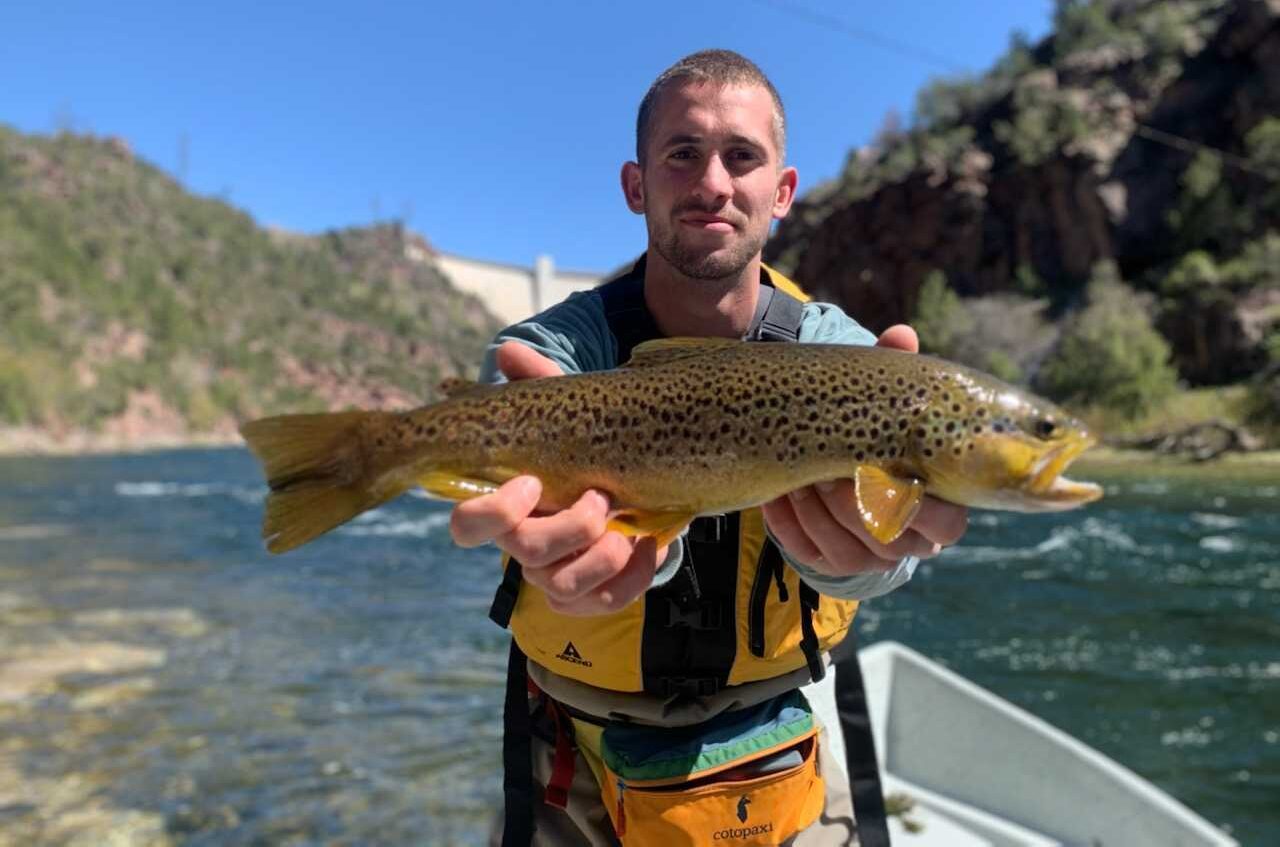
- Brown trout: Fall spawning, aggressive pre-spawn feeding
- Rainbow trout: Spring spawning, active during fall
- Brook trout: Fall spawning, often earlier than browns
This diversity means anglers can find active fish year-round, even while brown trout spawn.
Why Understanding Spawning Matters for Fishing Success
Knowing when do brown trout spawn transforms your approach to fishing. It helps you:
- Identify active vs non-active fish
- Protect fragile spawning areas
- Improve success rates during fly fishing trips
It also deepens appreciation for these beautiful fish and the ecosystems they depend on.
Conservation Through Understanding
The survival of brown trout eggs, young trout, and future trout population depends on angler awareness. Every step taken in the river during spawning season matters. Guests can take our shuttle to river sections for easy access to different fishing and rafting areas.
By respecting the spawning process, anglers help preserve:
- Healthy fish populations
- Balanced aquatic ecosystems
- Long-term fishing opportunities
Final Thoughts: Timing Your Fishing Adventure
So, when do brown trout spawn? Typically in fall—but more importantly, understanding how they spawn is what makes you a better angler. For a memorable vacation, choose Mountain cabins at Dutch John with modern amenities and rustic charm. We also offer RV camping for guests looking for a convenient and scenic place to stay during their outdoor trip.
Whether you’re chasing aggressive pre-spawn brown trout, observing spawning behavior, or targeting post-spawn fish, knowledge is your greatest advantage.
When you respect the spawning season, protect the habitat, and adapt your approach, every moment on the water becomes more meaningful—and more successful.