Fly Fishing at Night on the Green River and What You Need to Know Before You Go
The Green River below Flaming Gorge Dam earns its reputation during daylight, but the water changes character after sunset. Fly fishing at night is where the river gives up its largest and most cautious residents. When the light fades and the crowds go home, the biggest brown trout slide out of their hiding spots and begin to hunt. If you have only fished this tailwater in daylight, your first night fishing session here will feel like a different river, and a single good night fish can change how you see the Green forever.
Why the biggest trout feed after dark
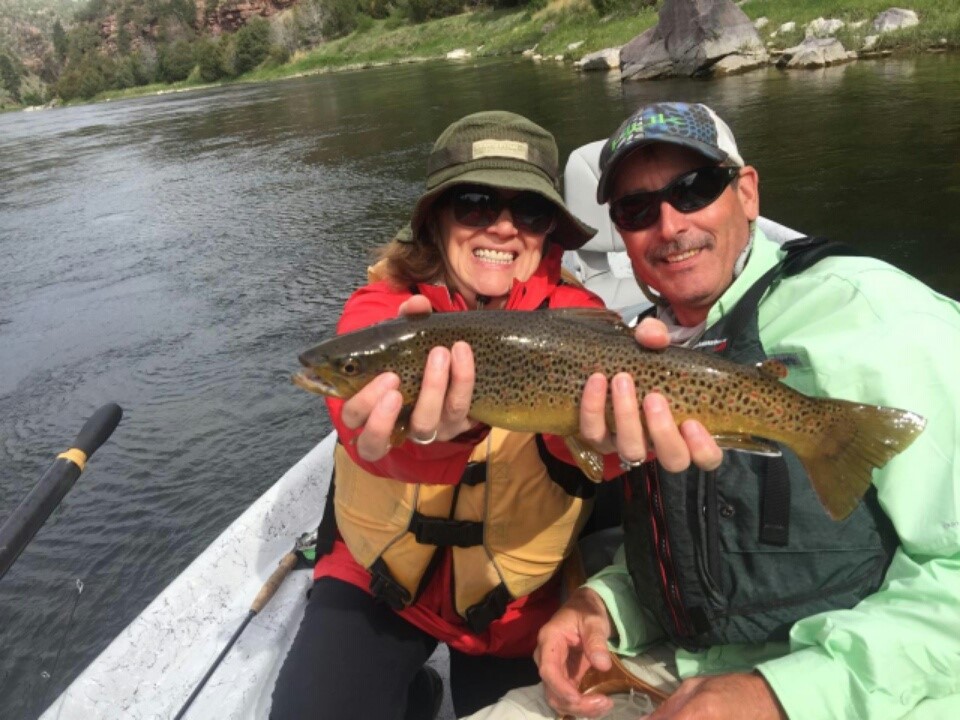
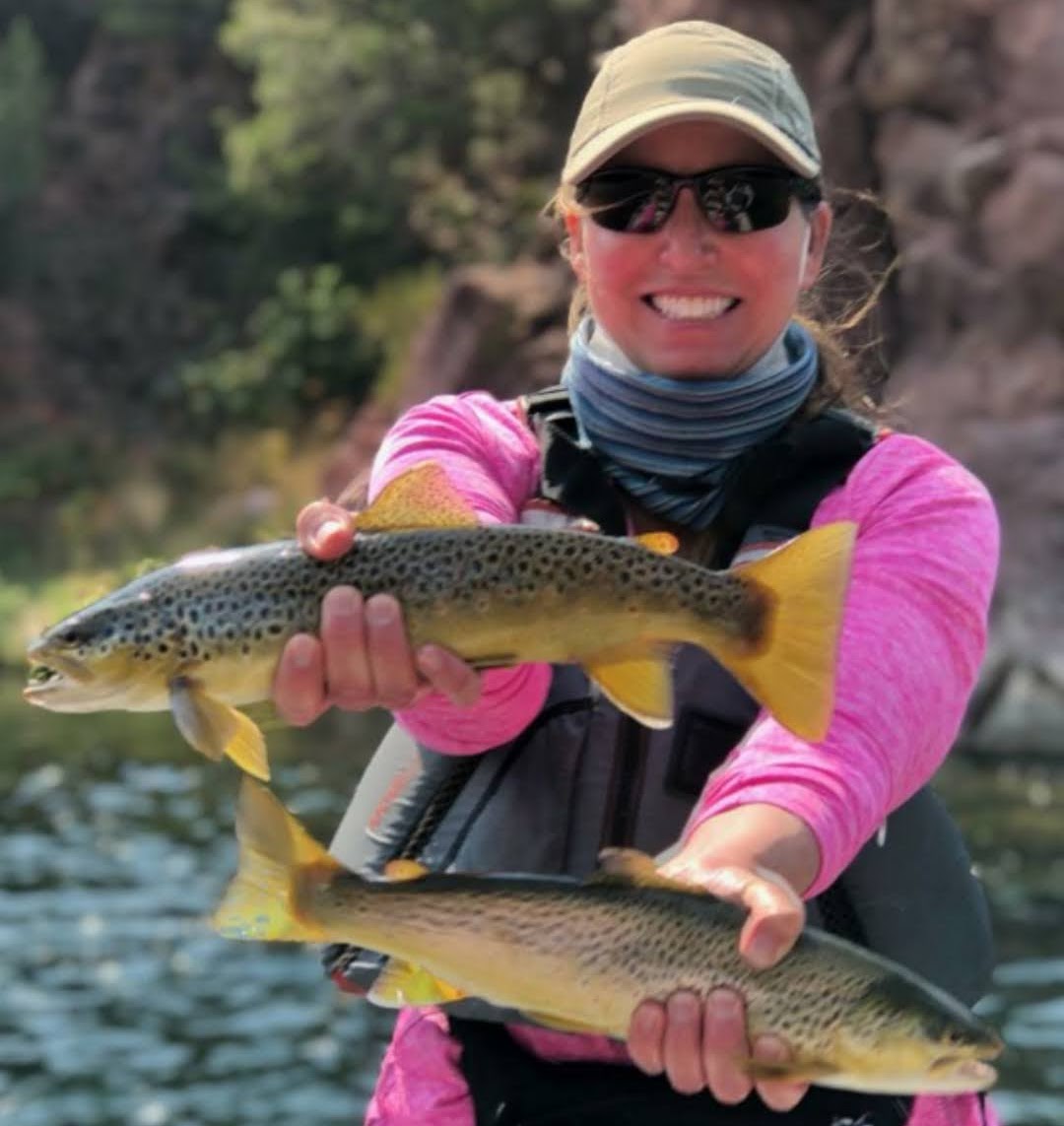
Large brown trout are among the most nocturnal predatory fish in cold water. During the day, a big brown holds under a cut bank, a boulder, or a log, wary of ospreys, eagles, and anglers. That daytime caution is exactly why these trophy fish grow so large and so difficult to fool. After dark, the calculus flips. The cover of darkness lets a large brown trout push into shallow, feeding water where it can ambush baitfish, sculpins, and even mice.
The same fish that ignored every dry fly you drifted at noon becomes an aggressive, feeding fish once the sun is down. This is why night fishing is the most reliable way to hook the biggest fish in the system. Night fishing is not about numbers. It is about the one big trout that would never show itself in daylight. Fly fishing writer Louis Cahill has long championed night fishing for exactly this reason, arguing that the browns that seem impossible during daytime fishing become catchable after sunset.
What changes when you fish in the dark
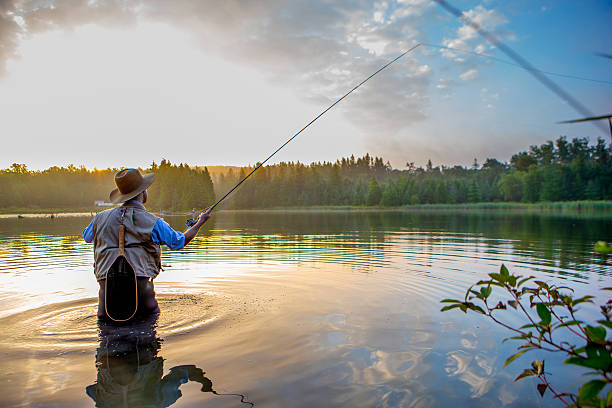
Almost everything you rely on during the day disappears at night. You cannot watch your fly line, track a dry fly on the surface, or read the water with your eyes. Night fly fishing is a game of feel and sound. You learn to read the take through your rod tip and the tension in your line rather than by sight. Many anglers hear a big fish take before they feel it, a heavy sucking sound in the darkness that tells you a large trout just ate.
The focus this demands is intense. It rewards the same deliberate cast bonefish anglers rely on across a saltwater flat, every sense narrowed to a single moment. Every fly fisherman who commits to the dark learns to trust the rod tip and fly line as their only read on the water. A patient night fly presentation, swung slow and low, is often what draws the take.
The best flies for night fishing
Fly selection at night favors profile and movement over precise imitation. Big, articulated streamers that push water and imitate baitfish are the backbone of most night boxes, because a predatory fish hunting after dark keys on vibration and silhouette. A mouse fly skated across the surface is a classic and thrilling night pattern, drawing explosive eats from a big brown trout that hunts small mammals along the bank.
Large wet flies swung through a run also produce well after dark. Many experienced anglers reach for dark coloured flies at night, because a black or dark fly creates a stronger silhouette against the night sky when a fish looks up from below. That visible outline matters far more than fine color detail when there is little light in the water. Even a big surface fly or a waking pattern can move larger fish on warm nights. Whatever you tie on, keep your fly rod loaded and your line under control so you can drive the hook home when a heavy trout eats.
Light discipline and night vision
The single most important habit in night fishing is protecting your night vision. Your eyes need twenty to thirty minutes in the dark to fully adjust, and one burst of white light or bright light from a headlamp will erase that adaptation instantly and can spook every fish nearby. Keep a dim red light for tying on flies and unhooking a trout, and never shine a light across the water.
Once your eyes fully adjust, you will be surprised how much you can see by starlight alone. Moonlight changes fish activity too. On brighter, moonlit nights, fish may hold in slightly deeper water, while on the darkest nights the bigger fish push shallow to feed. A recent fishing report or a daytime scout of the run helps you picture the water you will wade once the light is gone.
Safety before you go
A good night fishing experience is built on preparation. Walk and fish your chosen stretch of the Green River in daylight first so you know every drop-off, boulder, and current seam before darkness falls. Wade slowly and deliberately, and never push into water you have not scouted in the daylight hours. Wear safety glasses to protect your eyes from a fly you cannot see on the backcast, and pinch your barbs so any accidental hookup is easy to remove.
Bring a friend, tell someone your night fishing plan, and carry a charged phone and a backup light. Cold tailwater and uneven footing are far more dangerous at night time than during the day, so respect the river and fish within your limits. Good night fishing habits keep the reward, a shot at the biggest trout of your life, from turning into a rescue.
When to go and where to stay
The prime window for fly fishing at night on the Green runs through the warm months, when summer nights keep the fish active well after sunset. Late summer into early fall is a classic stretch for a big brown, as pre-spawn aggression builds and large trout roam the shallows after dark. Always confirm current Utah fishing regulations for the section you plan to fish before heading out, since rules can change by season and location.
Staying in Dutch John puts you minutes from the water, so you can fish the last of the daylight hours, work deep into the night, and be back in a warm bed without a long drive home. There is nothing like a night fishing trip that ends with a trophy brown in the net. Book your stay at Dutch John Resort, and come see why night fishing the Green River gives up the biggest fish it holds.