By August, the high desert has settled into the hottest stretch of its year, and there is no better place to wait it out than on the water. Green River rafting Utah trips hit their easy, sun-soaked peak this month, when flows mellow out, the days run long, and the biggest decision you make is where to pull over for lunch. The catch is that a hot-weather float rewards the people who pack well. Bring the right cooler, enough cold water, and a little shade, and a long August day on the river turns into the best kind of adventure. Forget them, and the same heat that makes the water so inviting will wear you down before noon.
This guide walks through exactly what to bring, where you will be floating, and how to decide between renting gear and running it yourself.
Why August Is the Month to Go
Most of Utah’s Green River is fed by cold-water releases from Flaming Gorge Dam, and that matters more in August than in any other month. While the air temperature climbs into the 90s, the water coming out of the reservoir below the gorge dam stays cool and steady, so the river holds its refreshing edge even when the canyon is baking. The flows have also dropped from their spring high, which means calmer lines through the rapids and long, lazy stretches perfect for drifting.
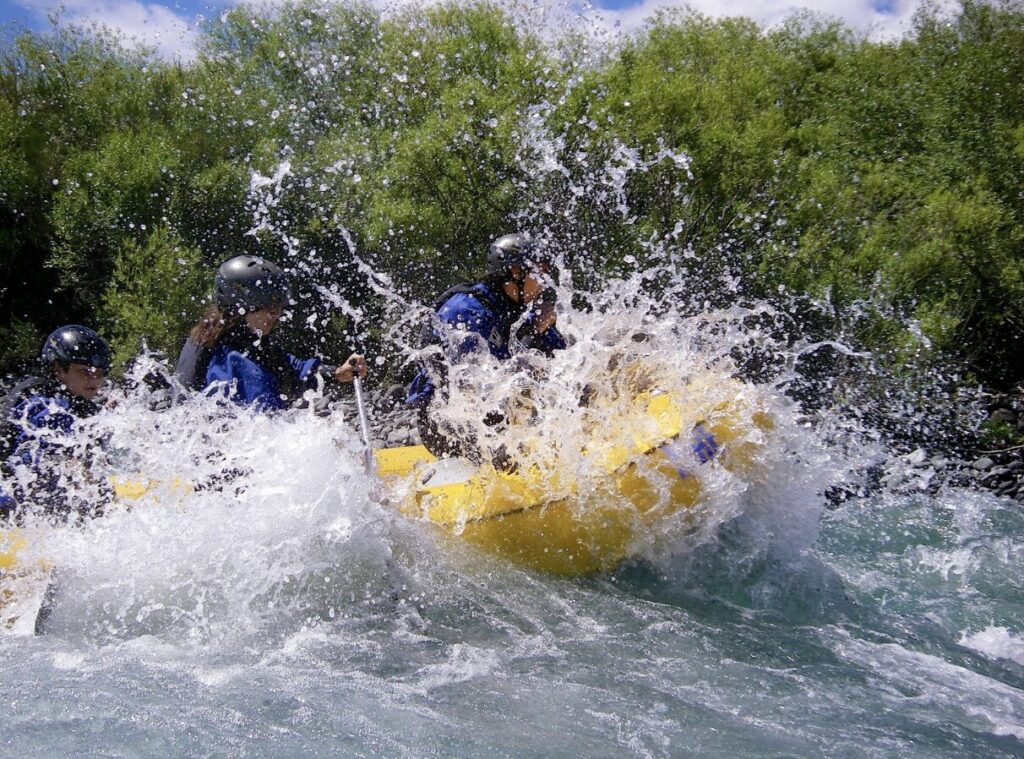
Whether you are planning a gentle family float or a full whitewater rafting trip through bigger water, late summer gives you the friendliest combination of warm days and forgiving current. It is the season the river was made for, as long as you come prepared for the sun.
Where You Will Be Floating
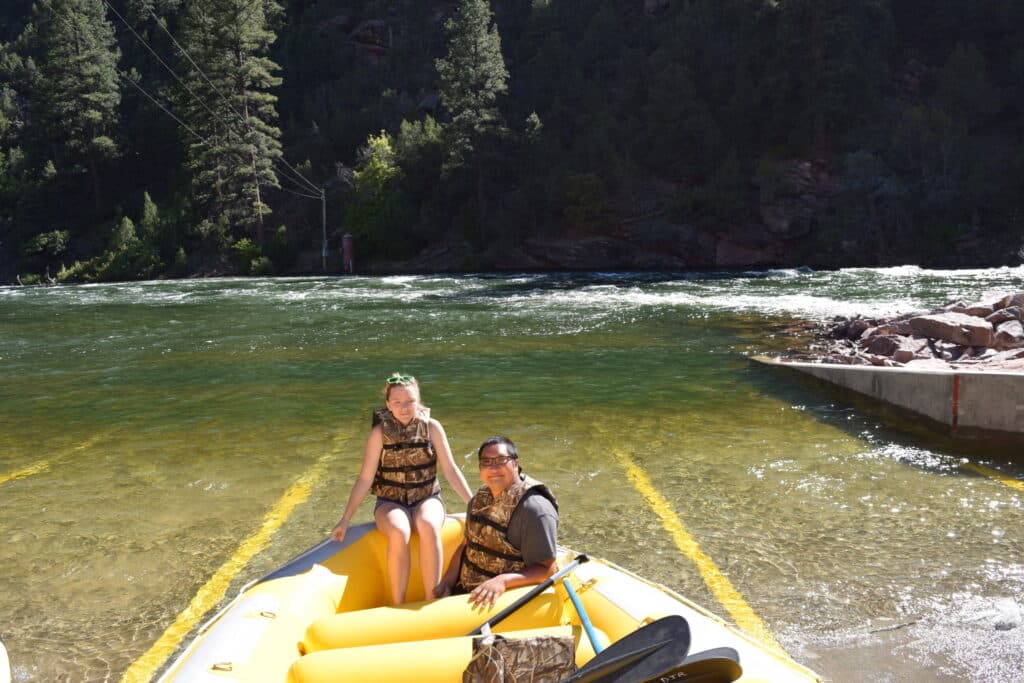
Green River rafting covers a surprising amount of ground across the state, and every stretch has its own personality. Up north, the tailwater of the Flaming Gorge Green River runs cold and clear out of Red Canyon, where the Flaming Gorge Reservoir gives way to the river proper below the dam. It is a classic day-trip section and a favorite with first-timers.
Downstream, the multi-day runs begin. A Desolation Canyon rafting trip is the marquee green river desolation canyon experience, with more than sixty named rapids that rank it among the best whitewater rafting trips in the state, all stacked between towering walls, and it flows straight into Gray Canyon before the river reaches the town of Green River. Below there, Labyrinth Canyon and Stillwater Canyon trade whitewater for serene flatwater as they wind south to the confluence with the Colorado River deep inside Canyonlands National Park. Rafters who have run the Grand Canyon often describe Desolation as its quieter, more intimate cousin, and both belong to the same vast Colorado Plateau.
Further east, in Dinosaur National Monument, Lodore Canyon delivers some of the most dramatic canyon walls on Utah’s Green River. Lodore rafting through the Gates of Lodore is a bucket-list run, and just downstream the Yampa River joins in before the water pushes through Split Mountain Canyon, also known as Split Mountain Gorge, one of the best short whitewater rafting sections in the state, with a tight, punchy sequence of rapids. Follow the connected waters far enough and the Colorado eventually pools into Lake Powell, a reminder of how much country a single river trip can touch.