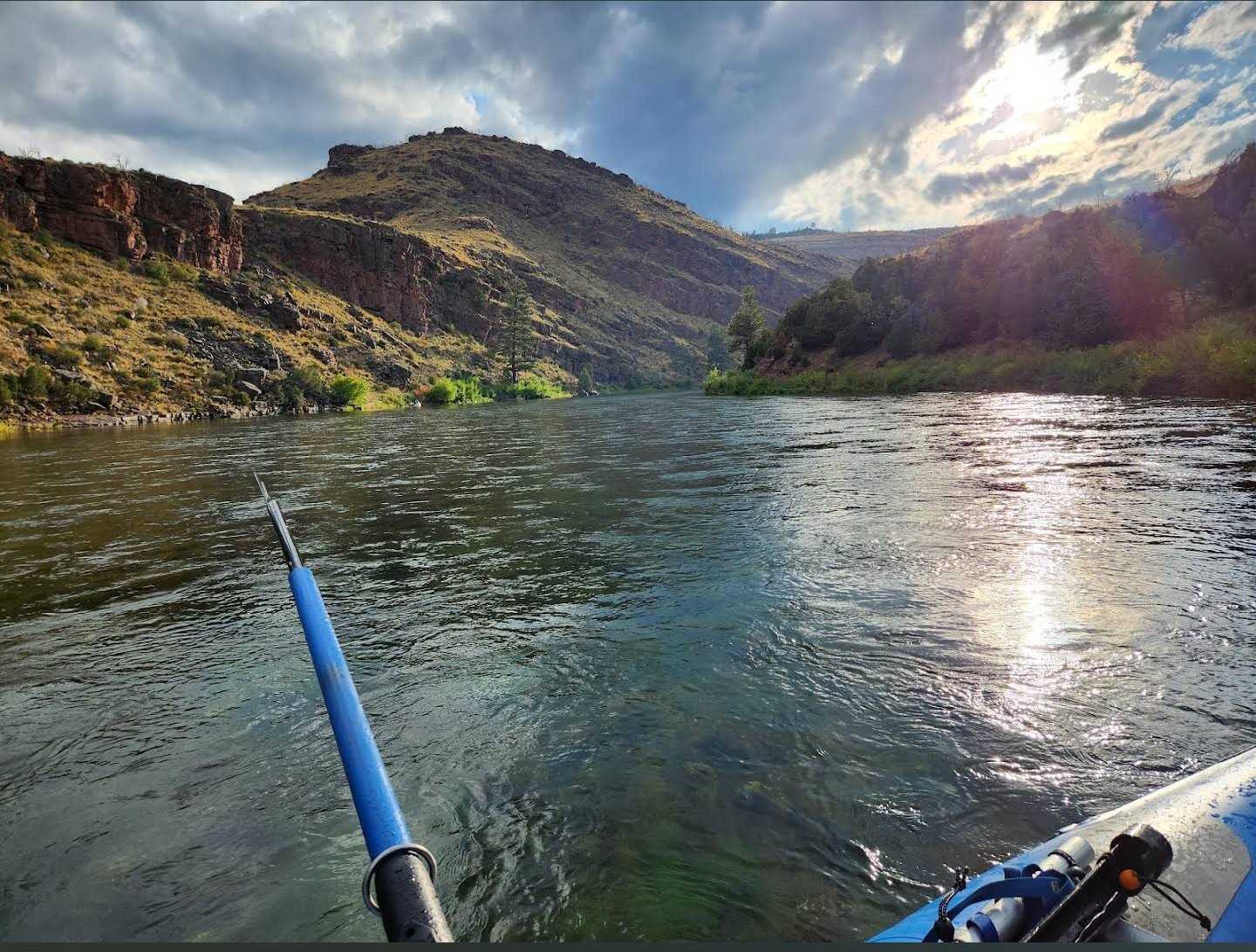
Flaming Gorge’s Environmental Legacy and Historical Heritage
Flaming Gorge is more than a stunning destination—it’s a living testament to millions of years of geological history and decades of conservation efforts. The dramatic red canyon walls tell the story of ancient seas and shifting landscapes, while the reservoir itself represents a pivotal moment in Western water management. At Dutch John Resort, we’re committed to preserving this incredible ecosystem while sharing its wonders with visitors. From the diverse wildlife that calls this area home to the Native American heritage and early pioneer history, Flaming Gorge offers endless opportunities to connect with nature and understand our shared past.
Explore Our Environmental and Historical Resources Below:
Flaming Gorge Reservoir Through the Decades and Why Dutch John Resort Became the Gateway to Its Hidden History
Flaming Gorge Reservoir’s hidden history from 1958 to today. Why Dutch John Resort became the gateway to this transformation.
7 Hidden Gems Along Flaming Gorge That Only Locals Know About
Discover 7 secret Flaming Gorge spots locals love. From hidden trails to pristine fishing holes, explore beyond the crowds.
Inside the Flaming Gorge Dam Visitor Center: Maps, Water Releases, and What Every Visitor Should Know
Explore the Flaming Gorge Dam Visitor Center for maps, water releases, and trip planning before staying at Dutch John Resort.
Conservation, Wildlife, and Cultural Heritage
Understanding Flaming Gorge’s environmental and historical significance enriches every visit. The area supports diverse wildlife including bighorn sheep, elk, osprey, and trophy trout, making it a haven for nature enthusiasts and anglers alike. Our environmental resources include information about Leave No Trace principles, local flora and fauna identification guides, and seasonal wildlife viewing tips. Historically, this region served as hunting grounds for the Ute people and later became a crucial area for trappers and settlers. The construction of Flaming Gorge Dam in the 1960s transformed the landscape, creating the reservoir we enjoy today. We provide educational materials about responsible recreation, water conservation efforts, geological formations, and the cultural heritage of Dutch John and surrounding communities. Whether you’re interested in paleontology, ecology, or Western history, our resource guides help you explore Flaming Gorge with deeper appreciation and environmental stewardship.