
How to Cast a Fly Fishing Rod the Right Way—Lessons from the Legendary Green River
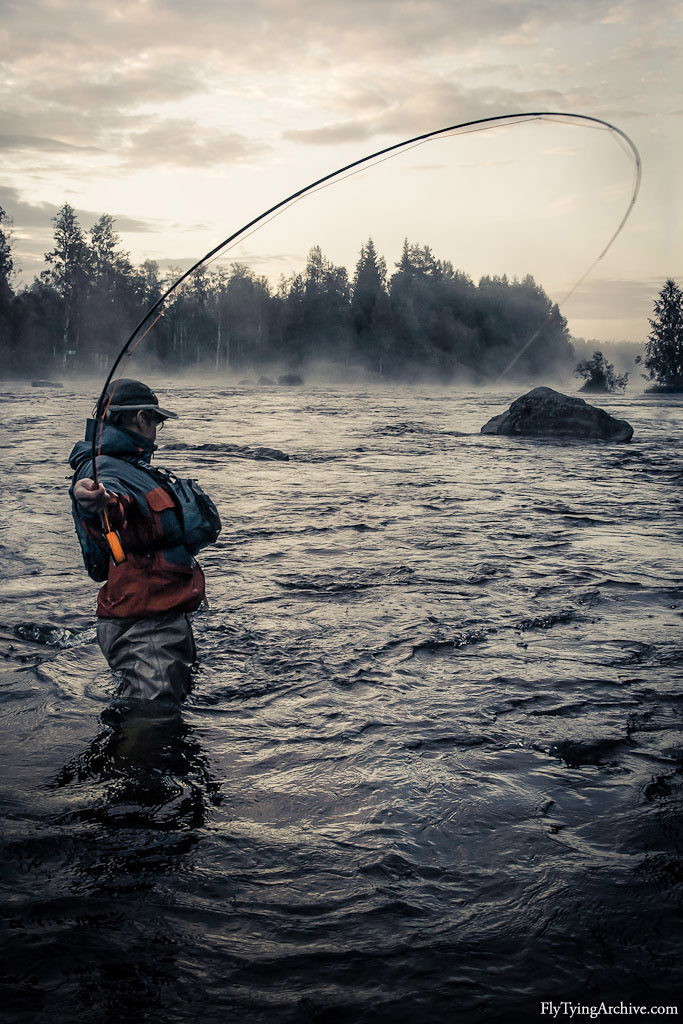
Learning how to cast a fly fishing rod is one of the most important skills in fly fishing—and one of the most misunderstood. Unlike a spinning rod or traditional fishing pole, fly fishing relies on timing, rhythm, and control of the fly line rather than weight. On Utah’s Green River, especially during winter, proper casting technique can be the difference between a quiet day and consistent trout action.
This guide breaks down the fundamentals of casting while showing why booking a winter fly fishing guide accelerates learning and puts you on more fish.
Why Casting Matters More in Fly Fishing
In fly fishing, the weight of the fly line carries the fly—not the lure itself. That’s why mastering fly casting is essential. Every successful cast depends on how smoothly the rod, reel, and line work together through a controlled casting motion.
Winter conditions magnify mistakes. Cold air stiffens the fly line, trout hold deeper, and precision matters more. A knowledgeable guide helps adjust your technique so your fly cast lands naturally, even in challenging flows.
The Basic Mechanics: How to Cast a Fly Fishing Rod
At its core, learning how to cast a fly fishing rod starts with understanding the relationship between your body and the fly rod.
The Setup
- Hold the rod with your dominant hand using a relaxed rod grip
- Keep your wrist firm but not locked—controlled wrist movement is key
- Let the rod tip do the work, not your arm
A smooth casting stroke creates energy that transfers from the rod to the fly line.
The Overhead Cast: Your Foundation
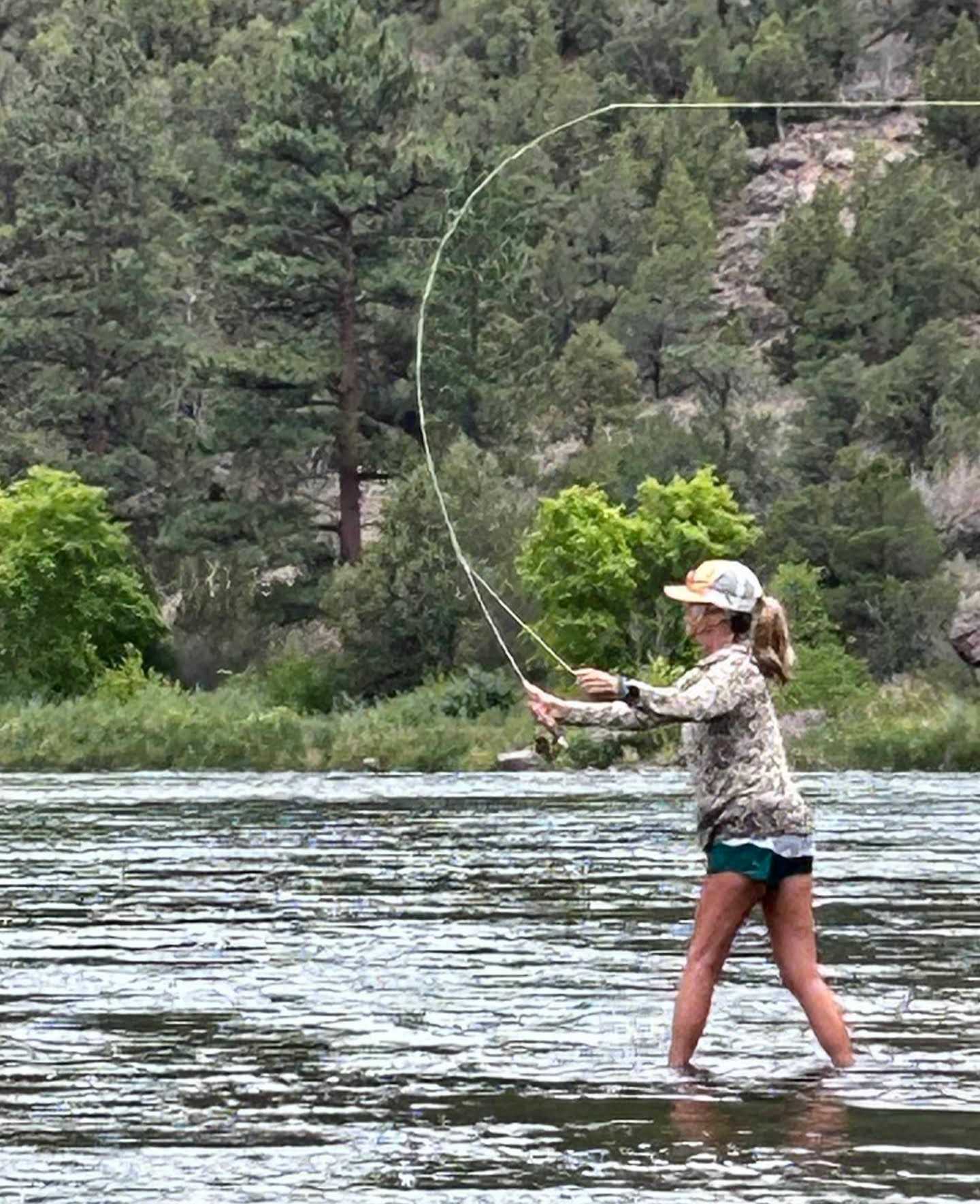
The overhead cast is the foundation of nearly every fly fishing presentation.
- Start with the line straight in front of you
- Lift the rod tip smoothly
- Accelerate into the forward stroke
- Pause briefly to let the line load behind you
- Complete the forward cast, stopping the rod high
This pause controls the casting arc and prevents tailing loops. Rushing this motion is one of the most common mistakes new anglers make.
False Casting and Line Control
False casting—or a false cast—keeps the line in the air while you lengthen or shorten distance. This is especially useful when setting up a short cast or preparing for a longer cast in winter flows.
Guides often emphasize limiting unnecessary false casting. Too much motion can spook trout and tire the caster, especially in cold conditions.
Roll Casts and Tight Winter Water
When fishing tight banks or deeper seams, the roll cast becomes invaluable. It allows you to reposition the fly line without a full back cast—perfect for winter wading situations where space is limited.
Winter guides routinely teach roll casting as a practical solution for real river conditions, not just textbook scenarios.
Gear That Supports Better Casting
While skill matters most, the right fly fishing gear helps refine casting.
- Balanced fly rod and reel
- Cold-water fly line
- Proper tippet for winter trout fishing
- Functional terminal tackle
- Insulated wading boots for stability
A guide ensures your setup matches conditions, whether you’re throwing nymph rigs or dry flies during winter midge hatches.
Why Winter Fly Fishing Guides Make a Difference
Learning how to cast a fly fishing rod alone takes time. Learning it beside an experienced fly angler shortens that curve dramatically.
Winter guides:
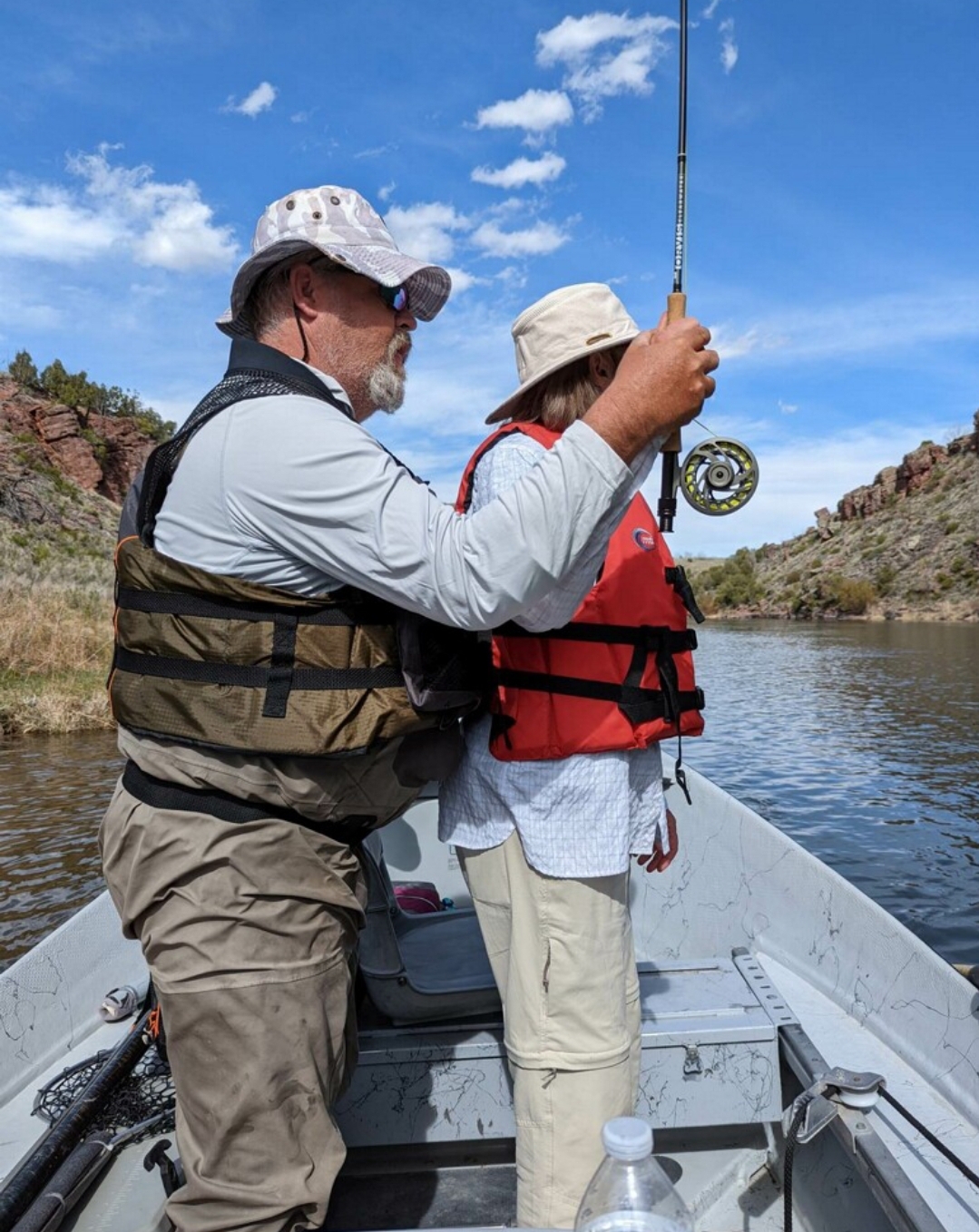
- Correct subtle rod tip errors in real time
- Adjust casting technique for wind and cold
- Teach efficient casting technique for deeper water
- Help match flies, fly tying concepts, and presentations
They also know where larger fish hold during winter, increasing your chances of hooking larger fish even when conditions seem quiet.

Casting Is a Skill Built Through Practice
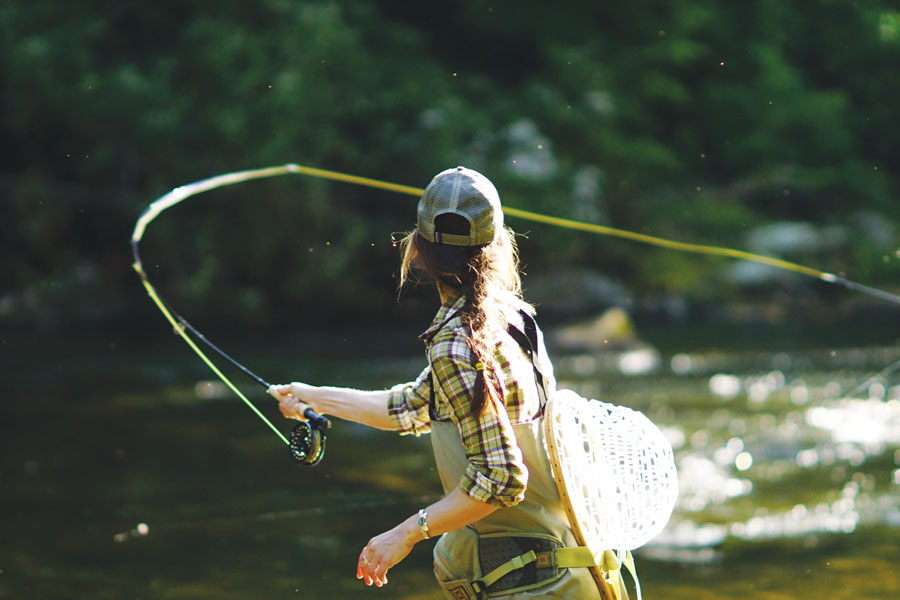
Every fly fisher—from beginner to seasoned fly angler—improves through repetition and focused practice. Watching your line unroll, feeling the rod load, and controlling the cast becomes second nature over time.
With guidance, even beginners quickly learn how to cast a fly fishing rod with confidence, making winter trout fishing not just productive—but incredibly rewarding.
Final Thoughts
The Green River is one of the best classrooms in the West for learning how to cast a fly fishing rod. Winter strips away distractions and rewards precision, patience, and proper technique.
If you want to improve faster, fish smarter, and truly understand casting—not just imitate it—booking a winter fly fishing guide isn’t an extra. It’s the smartest investment you can make in your fly fishing journey.