Why Anglers Travel Across the West for Kokanee Salmon in Flaming Gorge National Recreation Area
There is a fish in northeastern Utah that has no business being here.
Kokanee salmon are sockeye salmon that never reach the ocean. They spend their entire lives in cold, deep lakes, and in late summer they turn a hard, unmistakable red. Most people associate them with Alaska, British Columbia, or the glacial lakes of the northern Rockies. Almost nobody associates them with high desert country ringed by red rock and sagebrush.
Yet every fall, anglers hitch up boats in Colorado, Wyoming, Idaho, Nevada, and every corner of Utah and point them toward Flaming Gorge National Recreation Area. They come for a salmon fishery that exists in one of the least likely places in the Rocky Mountain West, and they keep coming back because the fishing genuinely delivers.
The Unlikely Origin of Flaming Gorge National Recreation Area
The Green River carved this canyon long before anyone thought to build anything here. John Wesley Powell named the place in 1869 when low sun lit the canyon walls, and the name stuck. The Green River is still the longest tributary of the Colorado River, and it still cuts through some of the most dramatic rock formations in the state.
What changed everything was Flaming Gorge Dam. Completed in 1964 and standing more than 500 feet tall, the dam backed the Green River up into a reservoir that stretches roughly 91 miles across the Utah and Wyoming state line. That reservoir is deep, and depth in a desert canyon means cold temperatures hold year round well below the surface. Cold is exactly what salmon require.
Congress established the surrounding Flaming Gorge National Recreation Area in 1968, and the Forest Service has managed it ever since as part of Ashley National Forest. The result is a national recreation area where you can troll for salmon in the morning and drive through red rock canyon in the afternoon without leaving the boundary.
Why the Fish Grow Big in Flaming Gorge Reservoir
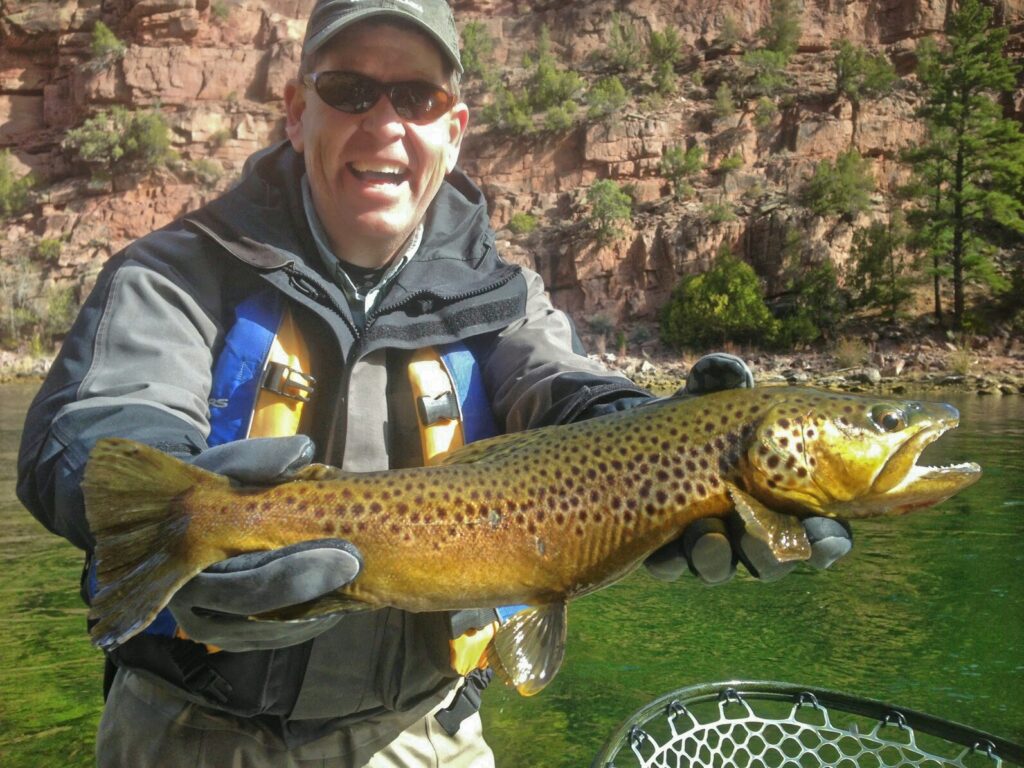
Kokanee live roughly four years and feed almost entirely on zooplankton. That sounds unremarkable until you understand what Flaming Gorge National Recreation Area provides. The reservoir is large, productive, and deep enough that fish can stay in the temperature band they prefer through the hottest weeks of summer. Kokanee that survive into their fourth year in Lake Flaming Gorge routinely reach sizes anglers on smaller reservoirs rarely see.
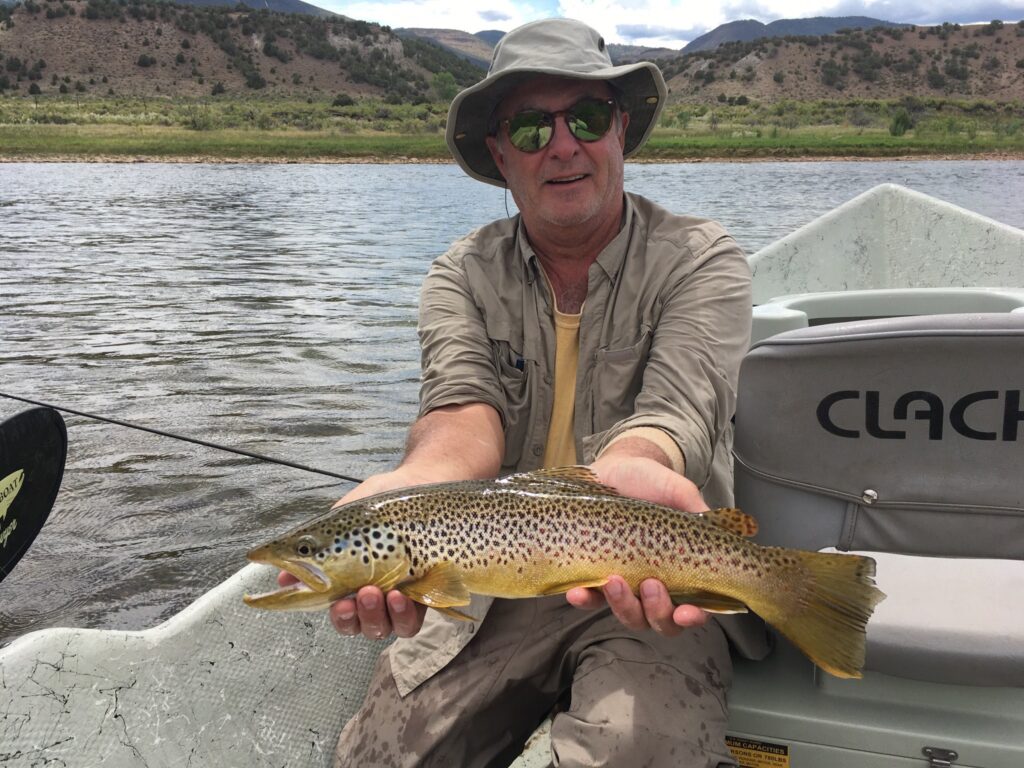
They also share Flaming Gorge Reservoir with company worth mentioning. Flaming Gorge lake trout have been landed at more than 40 pounds. Smallmouth bass hold along rocky structure through the warm months. Rainbow and brown trout are spread throughout the system, and the tailwater below Flaming Gorge Dam is one of the most respected trout rivers in the country. Very few destinations let you target a salmon, a 40 pound lake trout, and a wild river trout inside the same weekend.
The Fall Run Is Why People Plan Trips Around September
In late August and September, mature Kokanee begin staging near tributary mouths and shorelines as they prepare to spawn. Their silver sides turn deep red and their heads darken. The change is dramatic enough that first time visitors often assume they are looking at a different species.
The fish then push into the streams feeding Flaming Gorge Reservoir. Sheep Creek Bay draws the best known run in the entire national recreation area, and the spawn is worth seeing whether or not you fish it. This is also where regulations tighten, so read the next section before you plan around the run.
Know the Rules Before You Load the Boat
Kokanee protections during the spawn are not optional, and they change by state.
On the Utah side, Kokanee must be released during the fall closure that historically runs from September 10 through November 30. The bay and the creek feeding it close entirely during that same stretch to protect spawning fish. Wyoming portions of the reservoir sit in Sweetwater County under Wyoming Game and Fish rules, which differ from Utah rules, and nothing out on the open reservoir marks where one state ends and the other begins.
Regulations are reviewed annually. Pull the current Utah and Wyoming guidebooks before your trip and confirm dates, limits, and state boundaries for the season you are fishing.
How Anglers Actually Catch Them
Kokanee are a trolling fish. They travel in schools, they hold at specific depths, and they respond to flash and motion rather than to bait presentation.
Most successful anglers in Flaming Gorge National Recreation Area run downriggers or leaded line to reach fish holding anywhere from 20 to 60 feet down through the summer, then work shallower as the reservoir cools in the fall. A small dodger ahead of a squid or a hoochie in pink, orange, or chartreuse covers most conditions. Tipping the hook with white corn is standard practice here and it matters more than most first timers expect.
Speed is the detail that separates a good day from a slow one. Kokanee prefer a slow troll, generally somewhere between one and one and a half miles per hour, and small speed adjustments often turn a dead rod into a hot one. Their mouths are soft, so a rod with a forgiving tip and a light drag setting will land far more fish than heavy gear will.
Once you find one fish, slow down and stay put. Schools stack tightly, and anglers who mark a school and work it patiently will outfish anglers who wander.
What Else Is Waiting Inside Flaming Gorge National Recreation Area
The fishing brings people to Flaming Gorge country. The rest of it is why they extend the trip.
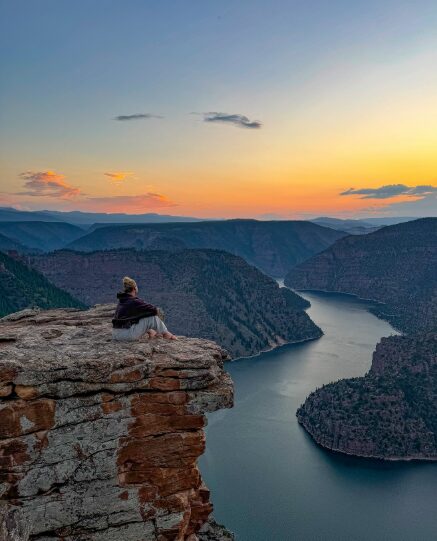
Red Canyon is the signature view. From Red Canyon Overlook the walls drop more than a thousand feet straight down to the reservoir, and the Red Canyon Visitor Center sits right at the rim with interpretive exhibits and trail access. The Red Canyon Rim Trail runs along the edge past Canyon Rim Campground and Red Canyon Lodge, and the Canyon Rim Trail is one of the most rewarding easy hiking trails in northeastern Utah.
The scenic drives are the other draw. Sheep Creek Canyon Geologic Loop cuts through exposed fault lines where whole rock layers stand nearly on end, and it is one of the clearest roadside geology lessons in the West. Dowd Mountain Overlook delivers a long view across the gorge with almost no effort. Farther west, Ashley National Forest roads climb toward Spirit Lake and the edge of the High Uintas Wilderness, where the Uinta Mountains run east to west instead of north to south, which makes them unusual among Rocky Mountain ranges.
Below the dam, the Little Hole Trail follows seven miles of the Green River through a canyon with no adjacent roads and no motorized trails, which means the loudest thing you hear is the river itself. The Flaming Gorge Dam Visitor Center runs tours and explains how all of this came to be. Swett Ranch, a preserved homestead near the Greendale junction, shows what life here looked like before the reservoir existed.
Campgrounds are spread across Ashley National Forest throughout the recreation area. Antelope Flat Campground offers direct reservoir and boat ramp access on the Utah side, and Canyon Rim Campground sits up on the rim near the visitor center.
The Part Nobody Talks About
Utah is known for its national parks. Zion National Park draws crowds that require shuttles and careful timing, and the Grand Canyon draws even more. Flaming Gorge National Recreation Area does not work that way. There are no shuttle lines and no reservation windows to win. You can pull into a boat ramp on a September morning and have room to breathe.
That is what brings anglers back year after year. Not just the salmon, though the salmon are the reason most of them first make the drive south from Rock Springs or north out of Vernal. It is the combination of a genuinely unusual fishery inside Flaming Gorge National Recreation Area, a reservoir with real trophy potential, and a national recreation area where nobody is competing with you for the view.
Base Your Trip in Dutch John
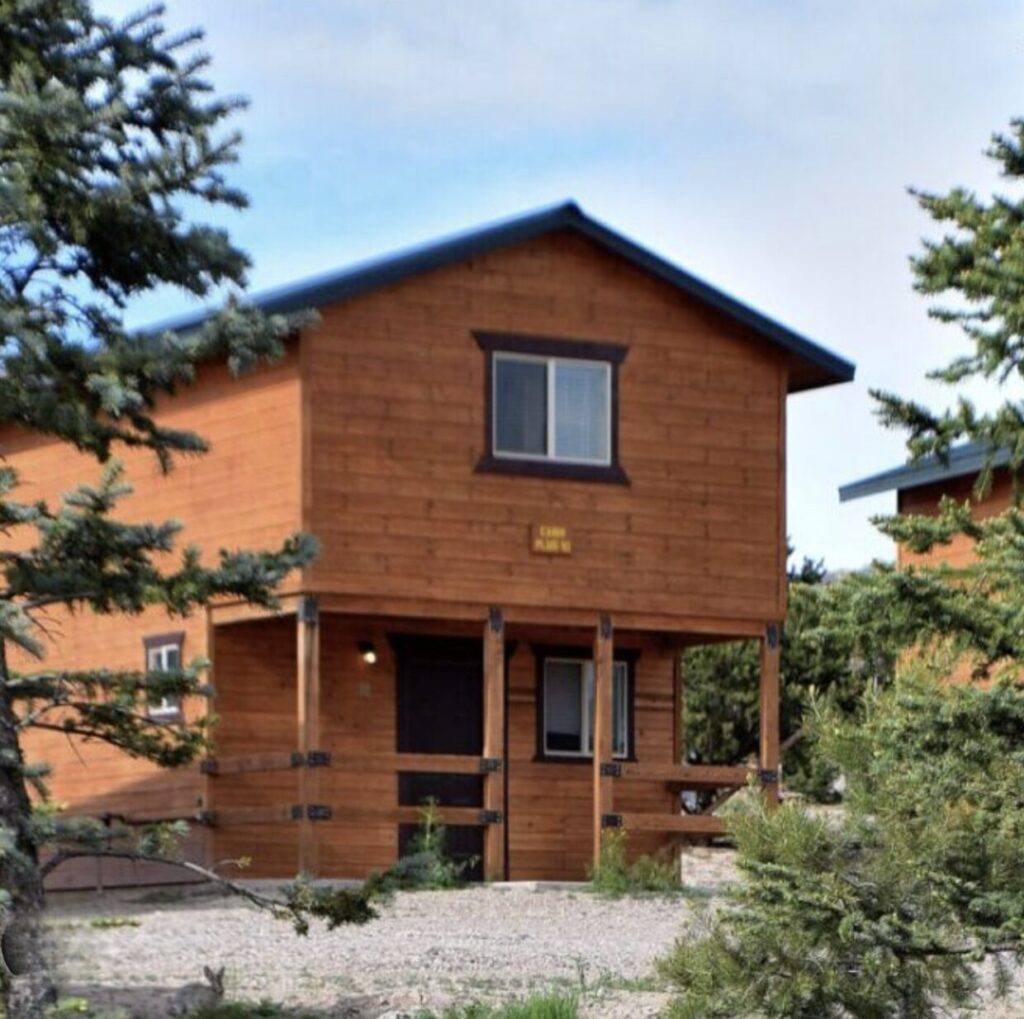
Dutch John sits within a few minutes of Flaming Gorge Dam, the boat ramps, and the tailwater, which makes it the practical starting point for anyone fishing the reservoir or floating the Green River. Dutch John Resort is the Flaming Gorge resort closest to all three, with lodging, raft rentals, supplies, and local information from people who fish this river and this reservoir every week of the season.
Fall is the best stretch of the year in Flaming Gorge National Recreation Area, so call ahead for dates. The Kokanee run is short, the weather in September is close to perfect, and the anglers who come here every year already have it on the calendar.